
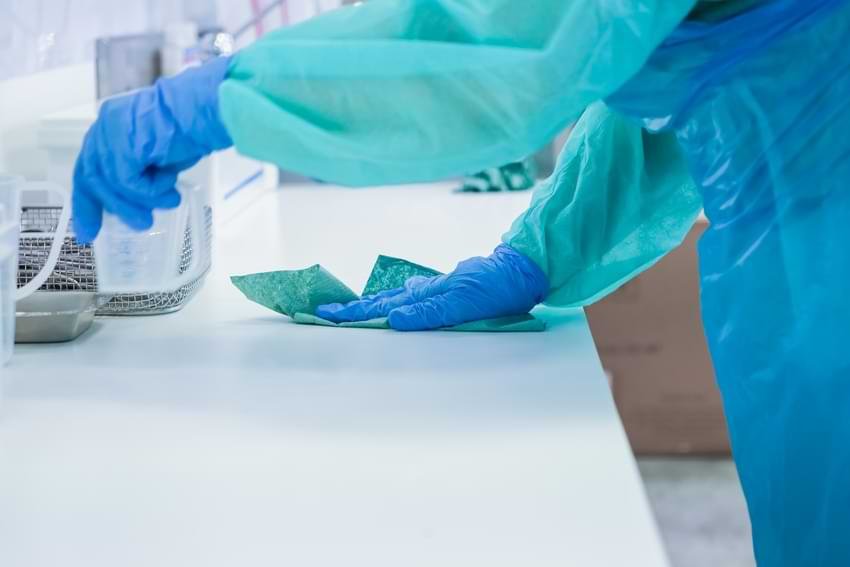
Understand the difference and choose what truly protects your home—trusted by professionals with years of experience.
What is the difference between cleaning and sanitization?
Cleaning removes visible dirt, dust, and debris from surfaces, while sanitization reduces bacteria and germs to safe levels using specialized products. Cleaning improves appearance, but sanitization focuses on health and safety, especially in high-touch areas like kitchens, bathrooms, and shared spaces.
It’s easy to assume a clean home is a safe home. You wipe the counters, sweep the floors, and everything looks spotless. But here’s the catch—what you can’t see can still affect your health. Many homeowners feel unsure about whether their regular routine is enough, especially when germs and bacteria aren’t visible.
That uncertainty can be frustrating. You want your home to feel safe for your family, but the difference between cleaning and sanitizing isn’t always clear.
That’s where understanding the role of professional sanitization services makes all the difference. Once you know how each process works, you can make smarter choices and feel confident that your home is not just clean—but truly safe.
Why isn’t cleaning alone always enough?
A shiny surface can be misleading. Cleaning removes dirt, grease, and stains, but it doesn’t always eliminate harmful microorganisms. Think about your kitchen counter after preparing raw food. Even if it looks clean, bacteria like Salmonella or E. coli may still be present. According to the CDC, proper sanitization is essential to reduce the risk of foodborne illnesses.
That’s why relying only on basic cleaning methods may leave gaps in your home’s safety. It handles the surface-level mess but doesn’t fully address invisible threats.
What does sanitization actually do?
Sanitization takes things a step further. It uses disinfectants or specialized solutions to reduce germs to safe levels, as defined by public health standards. Unlike cleaning, which focuses on appearance, sanitization is about protection. It targets high-risk areas like doorknobs, light switches, bathrooms, and frequently touched surfaces.
Many homeowners now turn to professional sanitization services because they use industry-grade products and proven techniques. This ensures better coverage and more reliable results than typical household cleaners.
When does your home need more than cleaning?
There are moments when regular cleaning just isn’t enough. After someone in your home gets sick, for example, germs can linger on surfaces for hours—or even days. The same goes for homes with pets, young children, or frequent visitors.
Situations like this call for deeper care. That’s where home disinfection services come in, offering a more thorough approach to maintaining a healthy environment. If you’ve ever worried about unseen germs after hosting guests or dealing with illness, you’re not alone. Many homeowners face the same concern and choose sanitization for peace of mind.
The role of professional services
Trying to sanitize your home on your own can feel overwhelming. With so many products available, it’s hard to know what actually works. Professional sanitization services remove that guesswork. They follow strict guidelines, use hospital-grade disinfectants, and focus on areas most people overlook.
According to the EPA, using approved disinfectants correctly is key to effective germ control. Professionals are trained to apply these products safely and efficiently. This means you’re not just cleaning—you’re creating a healthier space backed by proper standards.
Cleaning and sanitization work best together
It’s not about choosing one over the other. Cleaning and sanitization are most effective when used together. Cleaning prepares the surface by removing dirt and debris. Sanitization then tackles the germs that remain. Skipping one step reduces the overall effectiveness of the process.
That’s why many residential sanitization providers combine both methods into a single service. It ensures your home looks clean and supports better hygiene at the same time.
Common mistakes homeowners make
Many people unknowingly make simple mistakes that reduce effectiveness. One common issue is using disinfectants on dirty surfaces. Without cleaning first, the product may not work properly. Another mistake is not allowing enough contact time for disinfectants to kill germs.
There’s also confusion between eco-friendly cleaning solutions and true sanitization. While green products are great for maintenance, they may not always meet sanitization standards unless they are specifically designed for it. Understanding these differences helps you avoid wasted effort and get better results.
How to choose the right approach for your home?
Every home is different. The right approach depends on your lifestyle, health concerns, and daily routines. If you’re managing a busy household, dealing with allergies, or simply want extra reassurance, investing in sanitization services can make a noticeable difference.
Look for providers that are transparent about their process, use approved products, and have experience in residential settings. This ensures you’re getting a service that aligns with your needs.
A cleaner home, a safer space
A clean home feels good, but a sanitized home feels secure.
When you understand the difference, you’re no longer guessing—you’re making informed decisions that protect your family. It’s about creating a space where you can relax, knowing that both visible mess and hidden germs are handled. If you’re ready to take that next step, Nathan A Murray offers trusted guidance and professional solutions tailored to homeowners who want more than just surface-level cleaning. Reach out today and discover how the right approach can transform your home into a safer, healthier place to live.