
Protecting Your Home’s Most Vulnerable Surfaces
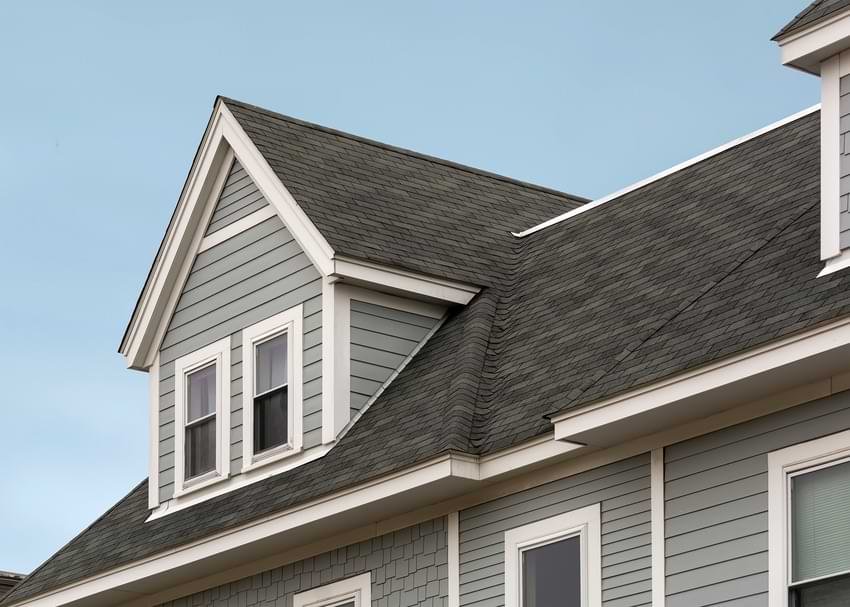
When it comes to home maintenance, it’s easy to focus on the projects that sit right at eye level. We tend to notice peeling paint on the front door, a cracked walkway, or overgrown landscaping immediately. However, the most critical protective barrier of your entire property is often the most neglected: your roof and siding. Over time, nature takes a heavy toll on exterior surfaces. Wood, asphalt, and concrete are constantly bombarded by UV rays, heavy rain, changing temperatures, and organic growth. If left unmanaged, what starts as a slight discoloration can quickly escalate into severe structural decay. Understanding the importance of professional care, specialized maintenance techniques, and long-term preservation strategies is essential for every homeowner who wants to protect their investment. The Hidden Threats to Your Home’s Exterior Many homeowners look up at their roofs or across their siding and assume that dark streaks or green patches are purely cosmetic flaws. In reality, these unsightly stains are living organisms that are actively breaking down your building materials. 1. Algae and Moss The black streaks you often see on roofs are typically Gloeocapsa magma, a hardy blue-green algal species. This algae thrives in damp, shaded areas and feeds on the limestone fillers frequently used in modern roofing materials. As it spreads, it prevents the sun from drying out the surface, creating the perfect environment for moss to take root. Moss acts like a sponge, holding moisture directly against the shingles or wood fibers. During freeze-and-thaw cycles, this trapped moisture expands, causing cracks, rot, and lifting. 2. Mold and Mildew Mildew and mold thrive on siding and lower rooflines, particularly on the north-facing sides of a house that receive less direct sunlight. Beyond the aesthetic detriment, mold spores can infiltrate the underlying sheathing, compromising your home’s air quality and structural integrity. 3. Wood Rot and Splitting For homes with natural wood elements, such as cedar shingles or shakes, the threat is even greater. Wood contains natural oils that protect it from the elements, but these oils dissipate over the years. Once the natural defenses are gone, moisture intrusion causes the wood to warp, cup, split, and eventually rot away completely. Prevention vs. Replacement: A Financial Reality Check The cost of completely replacing a roof or installing new siding can be staggering, often running into tens of thousands of dollars. Many structural replacements occur prematurely because surfaces were not properly maintained. Investing in regular upkeep is a fraction of the cost of a total replacement. By systematically removing destructive organic growth and applying protective treatments, you can easily double the lifespan of your exterior surfaces. Regular maintenance doesn’t just save you money on materials; it also preserves your property’s curb appeal and market value, ensuring your home looks pristine and well-cared for if you ever decide to sell. Why DIY Methods Can Cause More Harm Than Good? When faced with a dirty roof or stained siding, a homeowner’s first instinct is often to rent a high-pressure washer or buy a heavy-duty chemical cleaner from a local big-box store. Unfortunately, inexperienced DIY attempts frequently result in permanent, costly damage. Excessive Pressure: Blasting a roof or delicate siding with high-pressure water can strip protective granules from asphalt shingles, gouge deep ruts into natural wood, and force water beneath siding panels, leading to hidden mold growth inside the walls. Incorrect Chemical Balancing: Using the wrong concentration of cleaning agents can bleach wood unevenly, corrode metal flashing, and kill surrounding plants, lawns, and landscaping. Safety Hazards: Navigating ladders and slippery, wet roofs is incredibly dangerous without professional-grade safety harnesses, specialized footwear, and proper training. Achieving a deep, safe clean requires a delicate balance of the right solutions, specialized low-pressure equipment, and technical expertise. The Professional Approach: Restoring Your Home Safely Professional exterior care relies on a methodology known as soft washing combined with precision restoration techniques. This process eliminates the root cause of the staining without subjecting your home to damaging high pressure. 1. Comprehensive Inspection Before any cleaning begins, a thorough assessment must be conducted to identify compromised areas, checking for rotted wood, loose shingles, or failed seals that need to be addressed before applying treatments. 2. Targeted Eco-Friendly Treatments Specialized, biodegradable solutions are applied to the surface. These treatments don’t just rinse away surface dirt; they penetrate deep into the material’s pores to kill algae, moss, and mold spores at a microscopic level, ensuring they won’t grow back immediately. 3. Low-Pressure Rinsing Once the solutions have broken down the organic matter, a gentle, low-pressure rinse safely washes away the debris, revealing the clean, unmarred material underneath. 4. Preservation and Conditioning For natural materials like cedar, the process doesn’t end with a clean surface. The wood must be treated with specialized protectants and conditioners to restore its natural pH balance, replenish lost oils, and shield it from future UV and moisture damage. Take Action to Preserve Your Home Today Your home is likely your largest financial asset. Letting nature slowly degrade its outer defenses compromises its beauty, structural soundness, and long-term value. If you notice dark stains, green moss, or weathered, brittle siding, the time to act is now, before minor wear turns into a mandatory replacement. Transform your property and extend the lifespan of your exterior surfaces with trusted expertise. Explore comprehensive, specialized solutions for your home’s delicate exterior features by visiting this premium resource for roof cleaning and restoration, and give your property the expert care it deserves.
How often should homeowners clean their solar panels?

Most homeowners should arrange a solar panel cleaning service every 6 to 12 months, depending on location and debris levels. Areas with dust, pollen, or bird activity may require more frequent care. Regular cleaning helps maintain efficiency, ensures steady energy output, and prevents long-term buildup that can reduce system performance. The moment your energy bills don’t match your expectations, frustration starts to build. You invested in a system that should save money, yet something feels off. Dirt, dust, and debris often go unnoticed, quietly reducing your panels’ performance. The good news is that consistent care can solve this problem. With the right solar panel cleaning service and simple maintenance habits, you can keep your system working reliably and your savings on track. Why Clean Panels Matter? It’s easy to assume rain does the job, but that’s rarely enough. Dust, pollen, bird droppings, and pollution can stick to the surface and block sunlight. We’ve seen systems lose noticeable efficiency due to buildup alone. According to the National Renewable Energy Laboratory (NREL), dirty panels can lose up to 20% of their energy output in certain conditions. Keeping panels clean ensures sunlight reaches the cells without obstruction, allowing your system to perform as expected. Signs Your Panels Need Attention Sometimes the signs are subtle. A slight dip in energy production or uneven performance across panels can point to buildup. We often tell homeowners to watch for visible dirt, streaks, or shaded patches that weren’t there before. These small clues often indicate it’s time for professional solar panel maintenance. Ignoring these signs can lead to longer-term inefficiencies that cost more over time. The Right Way to Clean Panels Cleaning panels isn’t as simple as grabbing a hose. Using the wrong method can scratch the surface or leave residue behind. We recommend low-pressure washing with soft brushes and purified water. This prevents mineral deposits and protects the glass coating. Professional residential solar cleaning services use specialized tools designed for safety and effectiveness, especially for roof-mounted systems. Timing Makes a Difference Not all seasons are equal when it comes to cleaning. Timing your maintenance can improve results and extend the life of your system. Spring is ideal for removing pollen and dust buildup, while fall helps clear debris before winter. In dry or dusty regions, additional cleaning may be necessary. Consistent scheduling ensures your panels stay clear and productive throughout the year. Safety Should Always Come First Climbing onto your roof comes with risks. Slippery surfaces, steep angles, and fragile panels can lead to accidents if not handled carefully. We’ve worked with homeowners who initially tried DIY cleaning, only to realize the challenges involved. Hiring professionals reduces risk and ensures the job is done correctly. A reliable solar panel cleaning service follows safety protocols and uses the right equipment for every job. Long-Term Benefits of Regular Care Clean panels don’t just perform better, they last longer. Dirt buildup can create hot spots that stress the system over time. Routine care helps prevent wear and keeps your investment in good condition. According to the U.S. Department of Energy, proper maintenance plays a key role in maintaining long-term efficiency. By staying consistent, you protect both your energy savings and the lifespan of your system. Environmental Factors to Consider Every home faces different conditions. Urban areas deal with pollution, while rural homes may see more dust and bird activity. We always encourage homeowners to assess their surroundings. Trees, nearby construction, and weather patterns all influence how quickly panels get dirty. Understanding these factors helps you decide how often to schedule solar panel upkeep. When to Call the Experts? There’s a point where professional help becomes the smart choice. If your panels are hard to reach or heavily soiled, expert cleaning makes a clear difference. We’ve seen systems regain noticeable performance after a thorough cleaning. Professionals can also spot early signs of damage that might otherwise go unnoticed. This added layer of care ensures your system continues to perform reliably. Build a Simple Care Routine Consistency doesn’t have to be complicated. A basic routine can make a big difference over time. Start with visual checks every few months. Schedule cleaning at least once a year, and more often if needed. Keep an eye on your energy output for unexpected changes. These small steps help you stay ahead of potential issues and keep your system running smoothly. Keep Your Energy Investment Working A well-maintained system reflects the care you put into your home. When panels are clean and functioning properly, you get the full benefit of your investment. If you’re ready to keep your system performing at its best or want expert support, reach out to Nathan A Murray. We’re here to help you maintain reliable energy and protect your investment for years to come.
How can you keep a cedar roof looking new all year?

Regular cleaning, timely repairs, and proper treatment are essential to maintain a cedar roof’s appearance. You should remove debris, prevent moss growth, apply protective coatings, and inspect for damage at least twice a year. Consistent care helps preserve color, extend lifespan, and prevent costly structural issues. The moment your cedar roof starts to fade or darken, it’s easy to feel uncertain about what to do next. You might notice moss creeping in or patches losing their original warmth, leaving you wondering if replacement is the only option. The good news is that maintaining that fresh, natural look is absolutely possible. With the right cedar roof restoration approach, you can keep your roof looking clean, strong, and visually appealing all year long. Understand What Affects Cedar Roof Appearance The weather tells the story of your roof. Sun exposure dries out wood fibers, while rain encourages mildew and moss growth. Over time, these elements can cause discoloration and surface damage. We often see homeowners surprised by how quickly changes happen. According to the Cedar Shake & Shingle Bureau, untreated cedar exposed to moisture can develop organic growth within months, especially in shaded areas. Recognizing these factors early helps you act before damage becomes permanent. Stay Ahead with Regular Cleaning A clean roof is the foundation of long-term care. Dirt, leaves, and organic buildup trap moisture, which accelerates decay. We recommend gentle roof cleaning at least once or twice a year. This includes removing debris and using low-pressure washing methods to avoid damaging the wood surface. When done correctly, cedar shake maintenance keeps your roof breathable and prevents premature aging. Avoid harsh chemicals, as they can strip natural oils from the wood. Prevent Moss and Algae Growth Moss doesn’t just look bad—it weakens your roof over time. It holds moisture against the wood, creating the perfect environment for rot. If you’ve ever walked past a home with thick green patches on the roof, you’ve seen how quickly it spreads. Regular moss removal on a cedar roof is essential, especially in humid or shaded areas. Installing zinc or copper strips along the ridge can help. These metals release particles when it rains, which naturally limit moss growth. Apply Protective Treatments Wood needs protection to maintain its natural strength and color. Without treatment, cedar gradually turns gray and becomes more vulnerable to cracking. A high-quality wood roof treatment can restore lost oils and provide a protective barrier against UV rays and moisture. Many homeowners choose breathable sealants that allow the wood to expand and contract without damage. This step is often the turning point in cedar roof restoration, bringing back that rich, warm appearance. Inspect and Repair Early Small issues rarely stay small. A loose shake or minor crack can quickly turn into a leak if ignored. We always suggest a visual inspection at the start of each season. Look for warped, split, or missing shingles. Pay close attention to areas around chimneys and valleys where water tends to collect. Timely repairs not only preserve appearance but also prevent structural damage. The National Roofing Contractors Association emphasizes that routine inspections can extend a roof’s life by several years. Manage Moisture Around Your Home Your roof doesn’t exist in isolation. Trees, gutters, and ventilation all play a role in its condition. Overhanging branches block sunlight and drop debris, increasing moisture retention. Trimming them back allows your roof to dry properly after rain. Clean gutters ensure water flows away instead of backing up onto the roof. Proper attic ventilation also reduces internal moisture, which protects the cedar from underneath. Schedule Professional Restoration When Needed There comes a point when regular maintenance isn’t enough. That’s where professional cedar roof restoration makes a real difference. We’ve seen roofs that looked beyond saving return to their original beauty after a thorough cleaning, repair, and sealing process. Professionals use specialized tools and treatments that go deeper than basic maintenance. Hiring experts ensures the job is done safely and effectively, especially for larger or aging roofs. Build a Year-Round Care Routine Consistency is what keeps your roof looking new. Instead of waiting for visible damage, create a simple schedule you can follow each year. Start with cleaning in spring, inspections in summer, minor repairs in fall, and preparation for wet weather in winter. This routine spreads out the workload and prevents surprises. By staying proactive, you protect both the look and value of your home. Why Ongoing Care Matters? A cedar roof is more than just protection—it’s a design feature that adds character and charm. Letting it deteriorate affects curb appeal and property value. With proper care, cedar roofs can last 30 years or more. That longevity depends on how well you maintain and treat the wood over time. Homeowners who invest in routine care often avoid the high cost of early replacement. Give Your Cedar Roof New Life A well-maintained cedar roof reflects the care you put into your home. Whether you’re dealing with early signs of wear or looking to restore its original beauty, taking action now makes all the difference. If you’re ready to bring your roof back to life or want expert guidance, reach out to Nathan A Murray. We’re here to help you protect your investment and keep your cedar roof looking new all year long.