
What Nature Leaves Behind Could Be Draining Your Power?
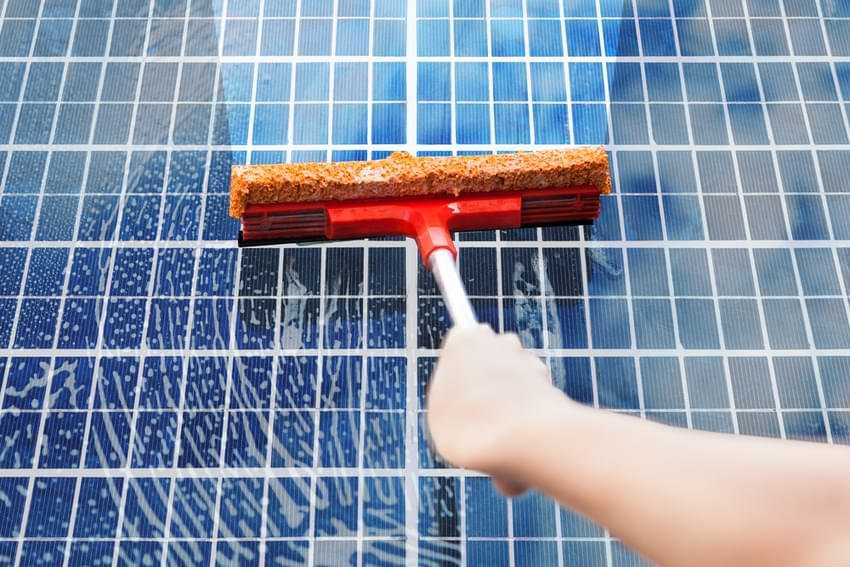
Leaves, dust, pollen, bird droppings—nature doesn’t hesitate to leave its mark, even on your solar panels. As a business owner, you count on solar energy to deliver consistent, cost-saving power. But when debris builds up, your system’s performance takes a quiet hit. Dirty panels can’t absorb sunlight effectively, which means you could be losing energy—and money—without even realizing it. What makes it trickier is not knowing when or how to clean them. Maybe you’ve thought your maintenance crew could handle it. Or maybe you’ve assumed the rain would wash it all away. It’s a common belief—but not a reliable one. Weather doesn’t do a thorough job, and improper cleaning methods can do more harm than good. That’s where professional solar panel cleaning services come in. They’re not just for looks—they’re about maximizing performance, protecting warranties, and ensuring your system lasts. A clean panel is a productive panel. You’ve already made a smart investment by going solar. Keeping those panels clean is how you protect that investment. With the right support, you can stop guessing and start seeing better results—year-round. Let’s look at why staying ahead of nature’s mess is the simplest way to safeguard your solar output. How often should solar panels be cleaned? Most commercial solar panel systems should be professionally cleaned at least twice a year to maintain optimal performance. In high-dust or pollen-heavy regions, quarterly cleanings may be needed. Routine inspections help prevent energy loss and extend panel life. 1. You Can’t Fix What You Don’t See Dirt builds up gradually. You might not notice the difference from one day to the next, but over time, even a thin layer of dust or grime can cut your panel’s output by 15–25%. According to the U.S. Department of Energy, dirty panels are one of the most overlooked causes of underperforming solar systems. Left unaddressed, the debris can also cause hotspots and permanent damage over time. 2. Rain Doesn’t Do the Job Many assume natural rainfall is enough to keep panels clean. Unfortunately, rain often leaves behind mineral residue and streaks—much like it does on windows. Worse, it can push grime into panel corners where it builds up even more. A study by the National Renewable Energy Laboratory found that professional cleaning, even just once or twice a year, significantly increases performance and protects long-term energy production. 3. Business Case for Clean Panels If you’re running a commercial property, every percentage point of efficiency lost is money left on the table. Regular cleaning improves your system’s ROI and keeps your sustainability goals intact. Clean panels reduce strain on your inverter and other components, too—meaning fewer maintenance issues over time. It’s a cost-effective move that protects your bottom line. 4. Trust the Professionals Climbing onto a roof with a hose or squeegee is not just ineffective—it’s unsafe. Professionals have the tools, training, and safety gear to do the job right. They also know how to clean without damaging delicate surfaces or voiding warranties. A certified cleaning service ensures your system is fully inspected during each visit, spotting minor issues before they become expensive repairs. 5. It’s Not Just About Energy Grime and debris can attract pests, degrade wiring, and cause premature wear on your mounting system. Clean panels don’t just produce more power—they last longer, stay safer, and require fewer repairs over time. When combined with regular system monitoring and professional maintenance, cleaning becomes part of a smart solar strategy. Don’t Wait Until Efficiency Drops Waiting until you see a power dip on your utility bill is too late. Cleaning should be preventative, not reactive. If your panels are visibly dirty, they’re already under-performing. By scheduling routine cleanings, you prevent small problems from becoming large expenses—and maintain peak performance all year long. Looking for a trusted provider to protect your solar investment? Nathan A Murray and his team offer expert care, reliable service, and results you can see. Schedule your professional cleaning service today and keep your power at full strength.
Reasons to Hire Experts for Range Hood Maintenance
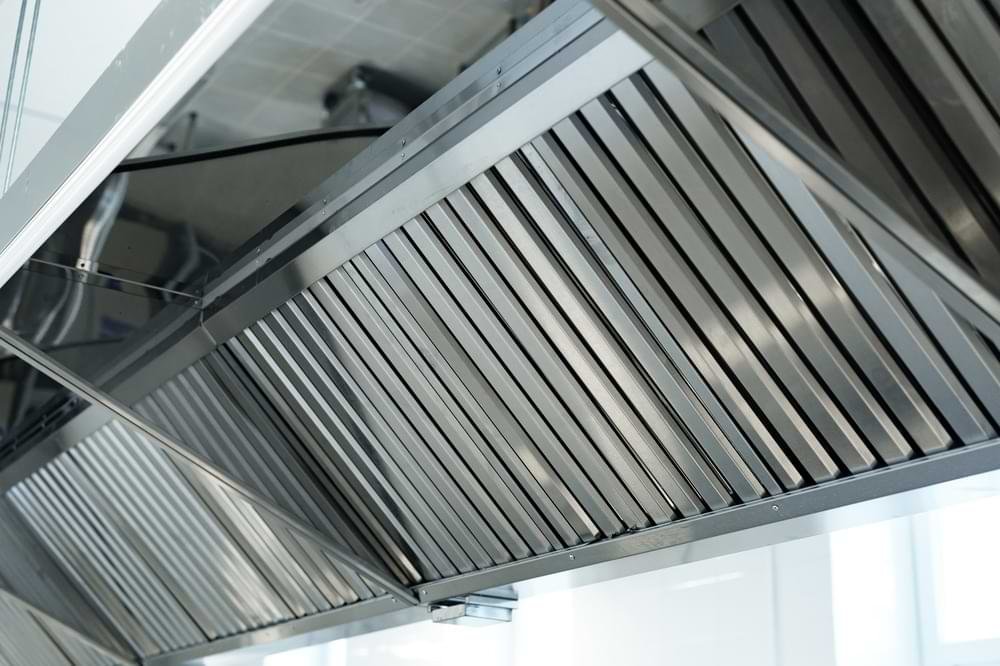
As a business owner, you’ve probably struggled to keep your kitchen clean and running smoothly while balancing the demands of the food industry. One area that often gets overlooked in daily operations is the maintenance of your range hoods. Over time, grease, smoke, and fumes build up in the exhaust system, creating not only an unsightly mess but also a serious safety hazard. You know the importance of keeping your kitchen functioning efficiently, but perhaps you’re unsure about when or how to handle the exhaust hood maintenance. Hiring a professional hood cleaning service is essential for maintaining both the cleanliness and safety of your kitchen. You might wonder if it’s worth the investment, but consider this: improper or neglected hood maintenance could lead to fire risks, poor air quality, and even violations of health codes. We’ll explore why hiring an expert is crucial for your kitchen’s long-term success. From improved air quality to better kitchen efficiency, the advantages of professional maintenance go far beyond merely making your kitchen look good. Hiring a professional hood cleaning service is vital to maintaining a safe, clean, and efficient kitchen environment. Regular expert cleaning not only ensures optimal air quality but also reduces the risk of fire hazards and guarantees compliance with safety regulations. Why is Trained Hood Cleaning Essential for Your Business? When you think about kitchen maintenance, exhaust hoods may not be at the top of your list—but they should be. These systems are crucial for maintaining clean air and preventing grease buildup that can lead to dangerous fires. Let’s dive into why professional maintenance is key: Improved Air Quality: One of the most immediate benefits of regular range hood cleaning is enhanced air quality. Grease, smoke, and fumes from cooking accumulate in the hood system over time, which can affect the air you breathe. A professional hood cleaner will ensure the exhaust system is free from these contaminants, creating a healthier environment for your staff and customers. Fire Prevention: Grease buildup is not just unsightly; it’s a fire risk. Over time, grease deposits can catch fire when exposed to high heat. A professional service can remove these deposits safely, drastically reducing the risk of a dangerous kitchen fire. With regulations requiring regular cleaning, this step is crucial for compliance and safety. Compliance with Health and Safety Regulations: Restaurants and commercial kitchens are subject to strict health and safety regulations. Failure to maintain clean exhaust hoods can lead to costly fines or even shutdowns. A professional hood cleaning service ensures that your kitchen meets local fire codes and health department regulations, keeping your business safe from penalties. Extended Equipment Lifespan: Regular cleaning not only improves air quality but can also extend the lifespan of your kitchen equipment. A well-maintained exhaust hood system operates more efficiently, reducing the wear and tear on your kitchen equipment, which can save you money on repairs and replacements in the long run. Boosted Kitchen Efficiency: When your exhaust system is clogged with grease and debris, it can lead to poor ventilation, making your kitchen hotter and less comfortable. This can also slow down cooking times and reduce overall efficiency. A professional cleaning service ensures that everything is running smoothly, making your kitchen a more comfortable and productive place for your staff. How Can Professional Hood Cleaners Help Your Business? It’s easy to overlook the role of exhaust hoods in maintaining a functional kitchen. However, expert cleaners play an essential role in ensuring that your kitchen is safe and efficient. Here’s how: Expertise & Equipment: Professionals have the tools and expertise to clean hoods more thoroughly and effectively than in-house staff can, using specialized equipment and techniques. Timesaving: Hiring experts allows you to focus on running your business while they take care of the heavy lifting. Consistent Results: You’ll receive thorough cleaning every time, ensuring that your kitchen operates at its best. Fire Risk Reduction: Experts are trained to identify areas where grease might pose a fire risk, giving you peace of mind. Protect Your Kitchen and Staff with Expert Hood Cleaning Don’t wait until the risk becomes a reality—schedule a professional hood cleaning service today to ensure a safe and efficient kitchen environment. By hiring a professional hood cleaning service, you’re not just ticking off a task on a checklist, you’re investing in the long-term health and safety of your business. Ready to breathe easier and keep your kitchen running at its best? Get in touch with Nathan A Murray today!
How Professional High Ceiling Cleaning Improves Indoor Air Quality?
If you own or manage a commercial space with high ceilings, you may not realize how much dust, allergens, and pollutants accumulate above eye level. Over time, these particles settle on rafters, beams, and ventilation systems, contributing to poor indoor air quality. This buildup can lead to respiratory issues for employees and customers, increased maintenance costs, and an unhealthy environment. Fortunately, professional high-ceiling cleaning services provide a solution. With specialized tools like high ceiling dusters and extendable dusters to clean high ceilings, experts efficiently remove contaminants that impact air quality. Investing in regular high-ceiling cleaning ensures a healthier workspace, reduces allergens, and improves ventilation. In this blog, we’ll explore how professional high-ceiling cleaning contributes to better indoor air and why it’s a critical maintenance task for any business. How Does High Ceiling Cleaning Improve Indoor Air Quality? Professional high-ceiling cleaning services remove dust, debris, and allergens from hard-to-reach areas, preventing airborne pollutants from circulating. Using high ceiling dusters and specialized vacuums, professionals ensure thorough cleaning without dispersing particles into the air. This leads to a cleaner environment, improved ventilation, and healthier indoor air. The Hidden Dangers of Dirty High Ceilings Neglecting high ceilings can have significant consequences: Professional Cleaning vs. DIY: Why Experts Matter While using a standard duster for high ceilings may be tempting, professional cleaners use advanced techniques that ensure safety and efficiency. Benefits of hiring professionals: Best Practices for Maintaining Clean High Ceilings The Impact of Clean Ceilings on Employee Health Regular high-ceiling cleaning services aren’t just about cleanliness, they’re about ensuring a safe, breathable environment for employees and customers. Looking for reliable high-ceiling cleaning services? Contact Nathan A Murray today for a free consultation and keep your business space fresh and dust-free!
The Process of a Moss Removal To Clean Your Roof
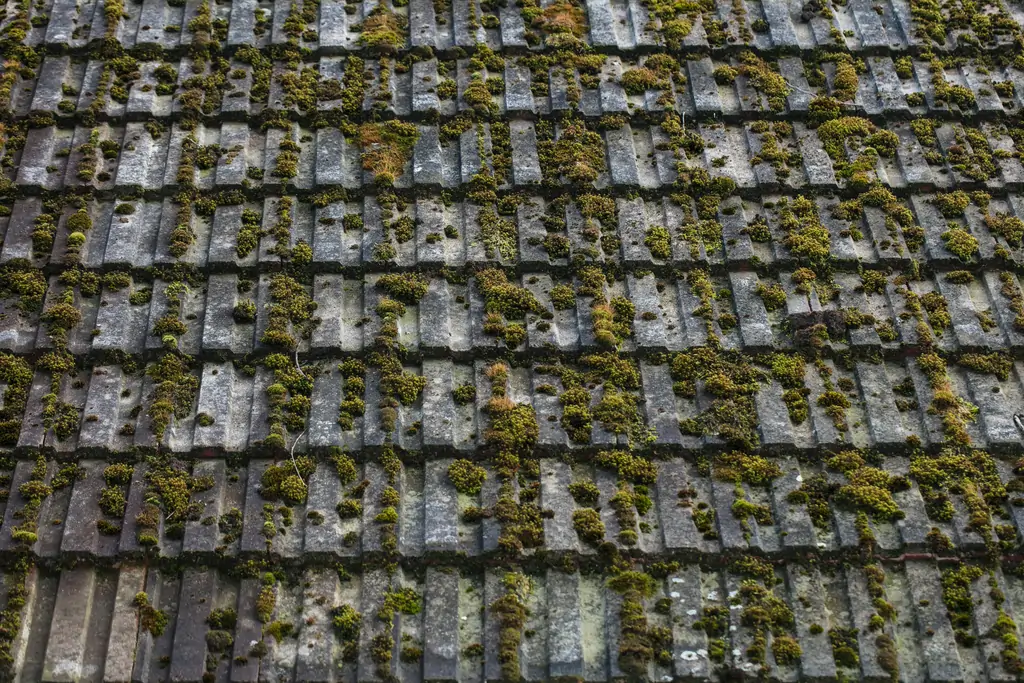
Understanding Moss Growth on Roofs Moss growth on your roof can be more than just an eyesore—it can cause significant damage over time. If left untreated, moss can weaken shingles, lead to leaks, and reduce the lifespan of your roof. Many homeowners and business owners struggle with deciding how to handle moss buildup effectively. The good news? A professional roof moss removal company has the expertise and tools to clean your roof safely and efficiently. We’ll walk you through the step-by-step process these experts use to remove moss and keep your roof in top shape. How Does a Moss Removal Company Clean Your Roof? A roof moss removal company follows a structured process to ensure your roof is cleaned safely and effectively. The process typically includes a thorough inspection, gentle moss removal, application of moss prevention treatments, and maintenance recommendations to keep your roof in optimal condition. Step-by-Step Process of Moss Removal on Your Roof Step 1: Roof Inspection Before starting the removal process, a professional roof cleaning company will conduct a thorough inspection. This helps identify the extent of the moss growth, potential damage, and areas susceptible to future moss buildup. The inspection also includes checking for loose shingles, clogged gutters, and other factors contributing to excessive moisture retention. Addressing these underlying issues is crucial for long-term moss prevention. Step 2: Safe and Gentle Moss Removal Professionals use specialized soft-bristle brushes and low-pressure washing techniques to gently remove moss without causing harm to the roofing material. Unlike high-pressure washing, which can dislodge shingles and compromise roof integrity, soft washing ensures thorough cleaning while preserving the roof’s structure. Step 3: Application of Moss Treatment Solution After moss removal, an eco-friendly, biodegradable moss treatment is applied to inhibit regrowth. These solutions not only kill remaining moss spores but also create a protective barrier that prevents new moss from forming. Many professionals use treatments containing zinc or copper, as these metals have natural moss-resistant properties. When applied correctly, these treatments provide long-term protection without harming surrounding plants or the environment. Step 4: Gutter and Drainage System Check Moss growth is often linked to poor water drainage. Professionals will inspect and clean gutters to ensure proper water flow, reducing the chances of excess moisture accumulation on the roof. This step is vital for preventing future moss buildup. Step 5: Preventative Measures and Maintenance Tips A professional service doesn’t just remove moss, it also provides homeowners and business owners with preventative strategies to keep moss from returning. These may include: How Often Should You Schedule Roof Moss Removal? The frequency of roof moss removal depends on several factors, including climate, roof material, and surrounding vegetation. In damp and shaded environments, annual inspections and cleanings may be necessary to keep your moss growth under control. For homes in drier regions, a cleaning every 2–3 years may suffice. Ignoring moss buildup for too long can lead to costly roof repairs or even premature roof replacement. Proactive maintenance is the best way to extend the life of your roof and protect your home’s structural integrity. Benefits of Hiring a Professional Roof Moss Removal Company Signs That It’s Time for Roof Moss Removal If you notice any of the following, it’s time to schedule a professional roof moss removal service: Choosing the Right Roof Moss Removal Company Not all roof cleaning services are created equal. When selecting a company, consider the following factors: Moss growth on your roof is more than just a visual nuisance, it poses a real threat to the longevity and safety of your home or business. While DIY methods may provide temporary relief, a professional roof moss removal service ensures a thorough, safe, and long-lasting solution. By investing in professional moss removal, you can extend the lifespan of your roof, improve your home’s curb appeal, and prevent costly future repairs. Don’t wait until moss causes irreversible damage—schedule a professional cleaning today and protect your property for years to come!
Mastering The Art of Softwashing and Exterior Cleaning in The Northwest
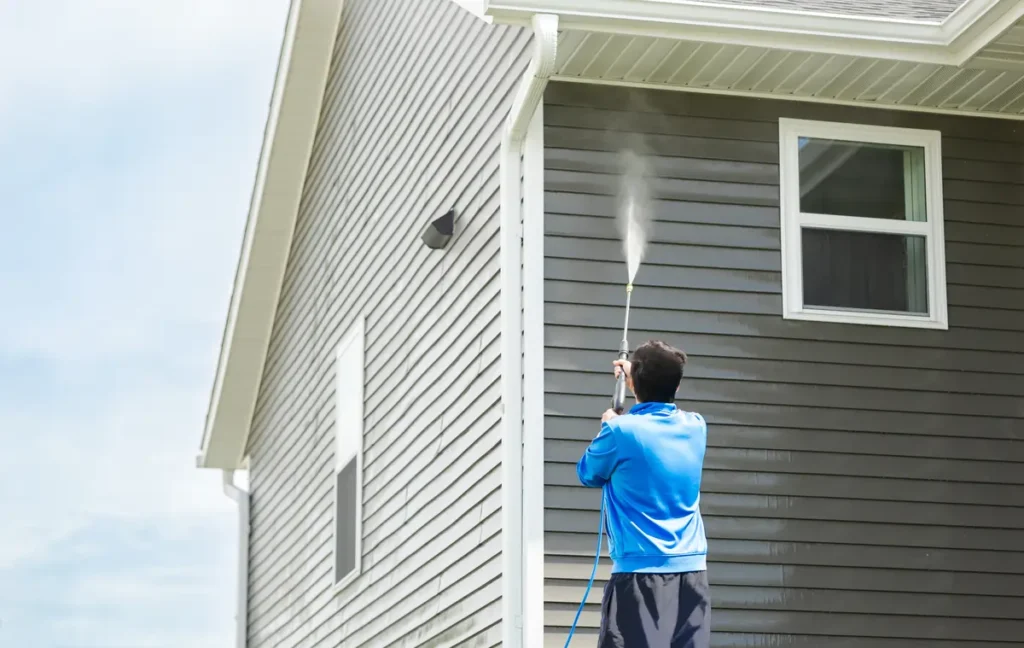
Introduction: In the lush, rain-soaked landscapes of Oregon, maintaining the exterior beauty of homes can be a challenging task. At Nathan A Murray, we specialize in soft wash cleaning, a premium exterior cleaning solution tailored for the Northwest’s unique environment. Understanding Softwashing: Softwashing is a gentle yet effective cleaning method that uses low-pressure and specialized solutions to remove dirt, algae, and moss. Unlike traditional pressure washing, which can damage surfaces, soft washing safely cleans roofs, siding, and other exterior surfaces, preserving their integrity. Benefits: Why the Northwest Needs Softwashing: Oregon’s wet climate accelerates the growth of moss and algae, causing roofs and sidings to deteriorate prematurely. Softwashing helps combat these elements, extending the lifespan of your home’s exterior. Moss Removal: Moss can trap moisture, leading to roof leaks and structural damage. Our specialized treatment eradicates moss spores and prevents recurrence. Enhance Curb Appeal: Clean exteriors significantly enhance property value and aesthetics. Our Process: At Nathan A Murray Roof Moss Removal, we follow a meticulous soft washing process: About Us: Based in Oregon, Nathan A Murray provides top-tier exterior cleaning services to all counties across the state. Our slogan, “We stand on our work,” reflects our commitment to quality and customer satisfaction. Ready to Transform Your Home? Contact us today at 503-383-4496 or visit www.natetheroofcleaner.com. Connect with us on Facebook and Instagram: @natetheroofcleaner. Experience the difference between professional softwashing!
Boost Your Home’s Curb Appeal With Nathan A Murray’s Services
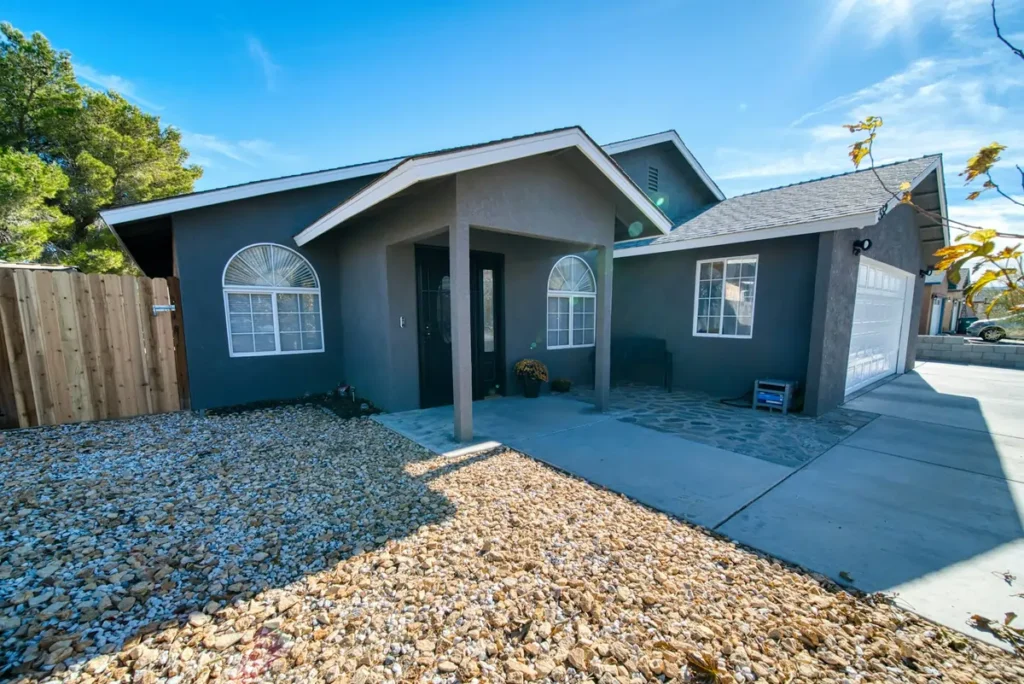
Maintaining a clean exterior is vital for the longevity and appearance of your property. At Nathan A Murray Roof Moss Removal, we specialize in comprehensive exterior cleaning services, offering top-notch softwashing and pressure washing to keep your surfaces pristine. Why Choose Professional Exterior Cleaning Services? Exterior cleaning services are essential for maintaining your property’s value. Whether it’s roof softwashing to remove moss and algae or pressure washing for more stubborn stains, professional services ensure thorough and lasting results. Here at Nathan A Murray Roof Moss Removal, we adopt the safest and most effective techniques to protect your home or business. Our Softwashing Services: Gentle Yet Effective Softwashing services use low-pressure water combined with eco-friendly cleaning solutions, making them ideal for delicate surfaces. Our offerings include: Pressure Washing: Power Meets Precision Pressure washing uses high-pressure water to remove tough grime, making it perfect for more durable surfaces: Specialized Services for All Your Needs Local Expertise You Can Trust Serving the Monmouth Oregon area, Nathan A Murray Roof Moss Removal is your go-to for reliable, affordable softwashing in Monmouth. Our exterior cleaning experts use industry-leading techniques and equipment, ensuring top-quality results every time. Looking for the best pressure washing in Monmouth Oregon? Contact us to learn more about our services and get a free quote. Investing in professional exterior cleaning with Nathan A Murray Roof Moss Removal means enhancing your property’s beauty and longevity. With our specialized softwashing and pressure washing services, your home or business will look its absolute best.
Understanding Asphalt Roof and Lichen Shingle Cleaning & Maintenance
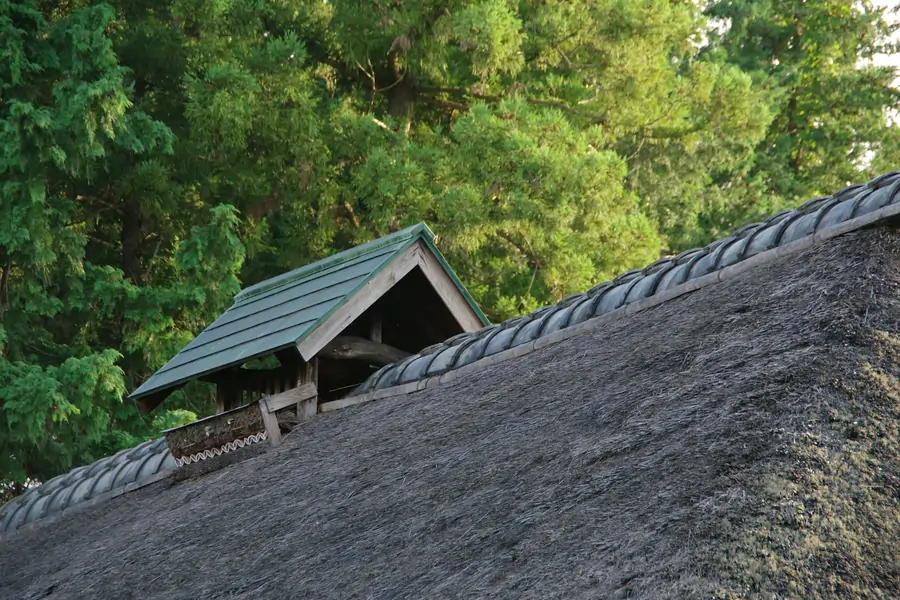
Asphalt shingle roofs often accumulate unwanted growths such as moss, lichen, algae, and grime over time. These growths can harm the appearance of your home — and worse, compromise the integrity of your shingles. That’s why proper cleaning and maintenance are essential. Why Regular Cleaning Matters Over time, moisture, shade, and organic debris encourage the growth of moss, lichen, algae, and mildew on asphalt shingles. These organisms cling to the roof surface, hold water, and can slowly deteriorate shingles. Moss and lichen in particular are problematic — moss retains moisture like a sponge, while lichen (a mix of algae and fungus) can form tough, crusty patches that are difficult to remove. Left unchecked, these growths can loosen or lift shingle granules, exposing the asphalt and fiberglass layers underneath to the elements, which accelerates wear and shortens roof lifespan. Why Soft Washing Is Recommended — Not Pressure Washing When cleaning asphalt shingle roofs, the method you choose is just as important as cleaning itself. High-pressure washing (e.g. with power washers) is strongly discouraged. The force of pressurized water can strip away the protective granule layer on shingles — leaving them vulnerable to UV radiation, weathering, and premature deterioration. Instead, the safest and most effective method is soft washing. In soft washing: A gentle, low-pressure spray applies a specialized cleaning solution. This solution penetrates and kills organic growth like moss, lichen, algae, and mildew, rather than blasting them off with brute force. Once the cleaning solution has done its work, the roof is rinsed gently (often with just a garden hose), preserving the protective granules while removing dead organic matter and loosened debris. Soft washing doesn’t just restore the roof’s look; by killing the root of moss and lichen growth and avoiding abrasive damage, it helps extend the life of your roof. The Process of Roof Moss Removal & Roof Cleaning Here’s a simplified outline of how to clean and remove moss, lichen, and other organic growth from an asphalt roof safely and thoroughly: Inspect & Identify — Look for dark streaks, patches of green or gray, fuzzy moss, or crusty lichen. These may indicate growths that need cleaning. Prepare the Area & Protect Surroundings — Before applying any solution, protect vegetation, plants, windows, and metal surfaces from chemical over spray. Rinse nearby plants or cover them if needed. Use Appropriate Cleaning Solution — Use a roof-safe cleaner formulated for asphalt shingles. Many effective soft-wash solutions are oxygen-based or mild bleach-based without being overly aggressive. Apply With Low Pressure (Soft Wash) — Use a pump sprayer or low-pressure hose to coat the roof evenly. Avoid high-pressure washers or stiff brushes that can damage shingles. Let the Solution Work (Dwell Time) — Allow the cleaning solution to sit on the roof for the recommended time so it can kill moss, lichen, algae, and mildew effectively. Rinse Gently From Top Down — Once dwell time is over, rinse the roof gently with a low-pressure spray or garden hose, working from the top downward to flush off loosened debris and dead organisms. Inspect & Repeat If Necessary — For stubborn patches of moss or lichen, you may need to reapply the solution or do targeted spot treatment. Regular cleaning helps prevent regrowth. Long-Term Maintenance & Prevention Inspect Regularly. Check your roof at least once a year (often after rainy seasons) to catch moss, lichen, or algae early before they spread. Address Moisture & Shade. Moss and lichen thrive in damp, shaded areas. Improving ventilation, trimming overhanging branches, or ensuring better sunlight exposure can help prevent regrowth. Use Soft-Wash Maintenance Instead of High-Pressure Cleaning. Schedule periodic soft washing (every few years or as needed) to keep growths under control without damaging shingles. Protect Surrounding Landscaping. Whenever you perform roof cleaning, make sure to shield your plants, trees, and other exterior surfaces from runoff or chemical overspray. Bottom Line If you want to preserve the life and appearance of your asphalt shingle roof, addressing moss, lichen, and other organic growth quickly is key. The most effective and roof-friendly approach is through professional-style soft washing — a method designed for roof moss removal and long-term maintenance without compromising roof integrity. Regular care, gentle cleaning, and smart prevention will help your roof stay strong and clean for many years.
Unlocking the Power of Soft Washing: What Every Property Owner Should Understand
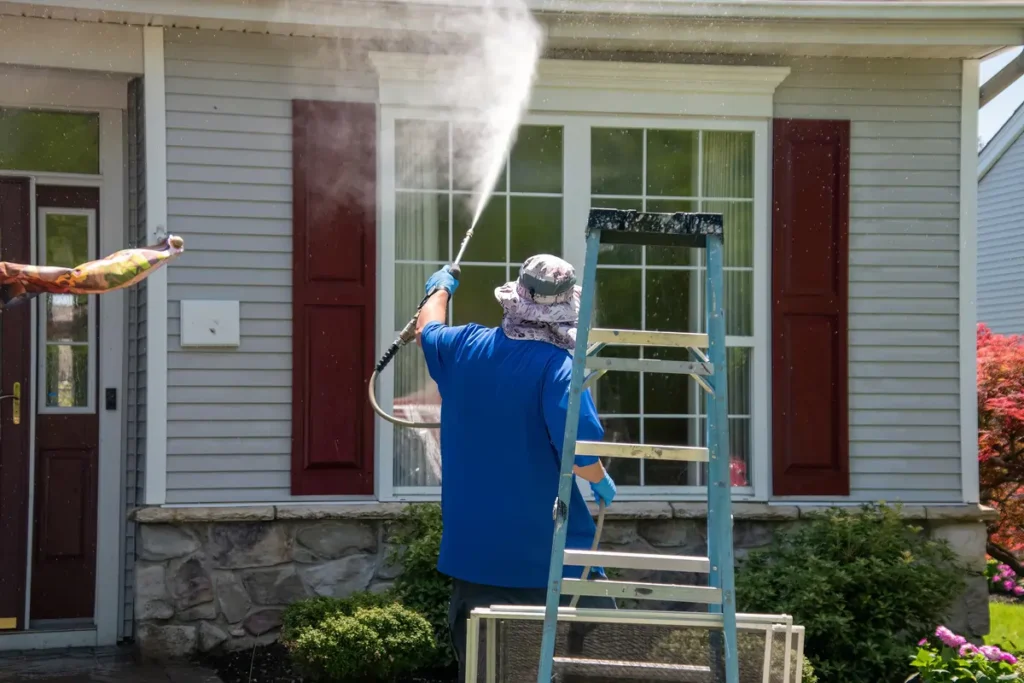
Exterior surfaces naturally gather dirt, algae, mildew, moss, and grime over time. Whether from moisture, environmental contaminants, or shade, these elements gradually affect the appearance and health of your property. To properly care for exterior surfaces, it’s important to understand the three fundamental cleaning methods used today: soft washing, pressure washing, and roof moss removal. Each method serves a unique purpose, and knowing when to use them helps protect your property from unnecessary damage. What is Softwashing? Soft washing is a cleaning technique that uses low-pressure application combined with biodegradable cleaning solutions. Instead of relying on force, it works by breaking down organic buildup so that it can be rinsed away safely. Why Property Owners Choose Soft Washing Soft washing is ideal for cleaning delicate surfaces such as: The method helps remove: Because soft washing targets the root of the growth, it offers longer-lasting results without damaging the surface Understanding Pressure Washing While soft washing focuses on chemical treatment, pressure washing relies on high-pressure mechanical force. Water is released at powerful PSI levels to quickly remove built-up dirt and grime. Pressure washing is extremely effective on: What Pressure Washing Does Best? Pressure washing excels at removing: It’s the go-to method for tough, durable surfaces that can withstand a strong water stream. Soft Washing vs Pressure Washing: Choosing the Right Method Understanding the strengths of each method ensures exterior surfaces are cleaned safely and efficiently. Choose Soft Washing When: Choose Pressure Washing When: Both methods are valuable, but using the wrong one can lead to surface wear, discoloration, or avoidable damage. How Roof Moss Removal Fits Into the Picture Roof moss removal is one of the most important aspects of roof maintenance — especially for properties surrounded by trees or in areas with frequent rainfall. Why Moss Forms on Roofs Moss develops in: Moss retains moisture and can lift shingles, weakening the roof over time. Why Soft Washing Is the Preferred Method for Moss Removal Soft washing is widely considered the safest way to perform roof moss removal because: Pressure washing should never be used on asphalt roofs as it can dislodge granules and shorten roof lifespan. Why These Methods Matter for Property Maintenance Understanding soft washing, pressure washing, and roof moss removal empowers property owners to: When applied correctly, these methods complement one another and create a balanced, long-lasting exterior maintenance routine.
The Ultimate Guide to Keeping Your Vinyl Siding Spotless in the Northwest
In the lush yet rain-drenched environs of the Northwest, maintaining the fresh appearance of vinyl siding on your home can be a perplexing challenge. The omnipresent moisture, coupled with a cooler climate, creates an ideal breeding ground for moss, mildew, and algae. However, the key to ensuring your home continues to dazzle in its neighborhood is not as elusive as it may seem. This comprehensive guide will explore why vinyl siding becomes dirty and why softwashing is your ultimate solution for a pristine exterior. Why Does Vinyl Siding Get Dirty in the Northwest? 1. Persistent Humidity and Moisture: The Northwest is renowned for its high humidity levels and frequent rainfall. This moisture-laden atmosphere is a haven for mold and mildew, which thrive on vinyl siding, especially in areas with limited sunlight. 2. Algae Growth: Algae spores are carried by the wind and can easily settle on your vinyl siding. Given the right conditions of moisture and light, these spores can quickly proliferate, leaving unsightly green or black stains. 3. Accumulated Grime: Urban and rural pollutants, combined with the region’s prevalent wet conditions, lead to a buildup of dirt and grime on house sidings. 4. Tree Sap and Bird Droppings: Natural elements like tree sap and bird droppings can adhere to the siding, causing stubborn stains that are difficult to remove. Given these challenges, it’s imperative for homeowners in the Northwest to adopt an effective cleaning strategy that not only preserves the aesthetic appeal of their home but also protects the integrity of the vinyl siding. The Importance of Softwashing for a Clean Exterior Softwashing emerges as the premier method for cleansing vinyl siding, offering a gentle yet potent solution to eradicate organic growth and stains. Here’s why softwashing is indispensable for homeowners: 1. Gentle on Siding: Unlike high-pressure washing, which can damage siding, softwashing uses low-pressure nozzles at the end of a spraying wand to apply a specialized cleaning solution, effectively removing mildew, algae, and dirt without harming the siding. 2. Long-lasting Cleanliness: The cleaning agents used in softwashing can kill the microorganisms causing the growth, ensuring your siding remains clean for a longer period. 3. Eco-friendly: Many softwashing solutions are biodegradable, making this method safer for the environment and your landscaping compared to traditional pressure washing. 4. Protects Your Home’s Value: Regularly cleaning your vinyl siding using softwashing can prevent long-term damage, preserving your home’s aesthetic appeal and market value. Conclusion For homeowners in the Northwest, keeping vinyl siding clean is a formidable task, given the region’s climate. However, with regular softwashing, you can ensure your home’s exterior remains inviting and well-maintained all year round. Softwashing not only offers a deep clean but does so in a way that protects your investment in your home’s siding. Embrace this method to keep your vinyl siding in pristine condition, and enjoy the lasting benefits of a clean and vibrant exterior. Incorporating softwashing into your home maintenance routine is not just a choice; it’s a necessity for preserving the charm and longevity of your dwelling in the beautiful Northwest.
Is moss bad for your roof?
Battling the Blanket: Negative Effects of Moss on Roofs and the Softwashing Solution. Green, velvety layers of moss may lend a touch of storybook charm to a landscape, but when this verdant invader takes root on your roof, the picturesque appeal quickly turns into a homeowner’s nightmare. Moss on roofs is more than an aesthetic blight; it harbors a multitude of problems that can compromise the integrity and longevity of your home’s first line of defense against the elements. Fortunately, the menace of moss meets its match in the gentle but effective approach of soft washing, a method that cleans without causing further harm. The Moss Menace: Understanding the Negative Impacts 1. Moisture Damage: Moss thrives in damp environments and, by its nature, holds moisture against the roof surface. This prolonged exposure can lead to the degradation of roofing materials, especially in wood and asphalt shingles, where it can accelerate rot and erosion. 2. Roof Damage: The root-like structures, or rhizoids, of moss can bore into and lift shingles, compromising the roof’s integrity and leading to potential leaks. Over time, these tiny invaders can cause shingles to crack, warp, or detach completely. 3. Insulation Compromise: As moss accumulates, it can affect roof insulation, impacting your home’s energy efficiency. The moisture retained by moss can lead to the deterioration of insulation materials, driving up heating and cooling costs. 4. Aesthetic Deterioration: Beyond structural issues, moss can markedly decrease a home’s curb appeal, potentially affecting its market value. The once-clear lines of the roof may appear unkempt and poorly maintained, even if the rest of the property is in pristine condition. 5. Increased Weight: Heavily infested roofs can bear significant extra weight from moss and the water it retains. This additional burden can stress the structural integrity of older homes or those not designed to support such weight, leading to costly repairs. The Softwashing Solution: Gentle Yet Effective While high-pressure washing might seem like a viable method to combat moss, it often does more harm than good, stripping away protective granules from shingles and forcing water under them, potentially exacerbating the very issues you’re trying to solve. Enter softwashing, a method that uses low-pressure nozzles at the end of a spraying system combined with a blend of cleaning solutions that effectively kill moss, algae, mildew, and any other organic pests without damaging roofing materials. Why Softwashing? 1. Effective Moss Removal: The cleaning solutions used in soft washing penetrate the moss, killing it down to the root. This ensures that the moss doesn’t merely come off but is eliminated, preventing rapid regrowth. 2. Preserves Roof Integrity: By avoiding high pressure, soft washing ensures that shingles remain intact. This method cleans without lifting or cracking tiles, preserving the lifespan of your roof. 3. Eco-Friendly Option: Many soft washing solutions are biodegradable and environmentally friendly, ensuring that your roof is cleaned without harming your garden or the surrounding ecosystem. 4. Long-Lasting Results: Soft washing not only removes current growths but also leaves behind a protective layer that inhibits future moss, algae, and mold growth, offering a longer-lasting solution than traditional pressure washing. As green as moss may be, letting it take over your roof leads to a raft of problems that can endanger your home’s structural integrity, efficiency, and aesthetic value. While moss removal might seem daunting, the advent of soft washing provides a safe, effective, and environmentally conscious method to reclaim your roof from this unwelcome green blanket. It’s not merely about cleaning; it’s about preserving your home’s health and value for years to come.