
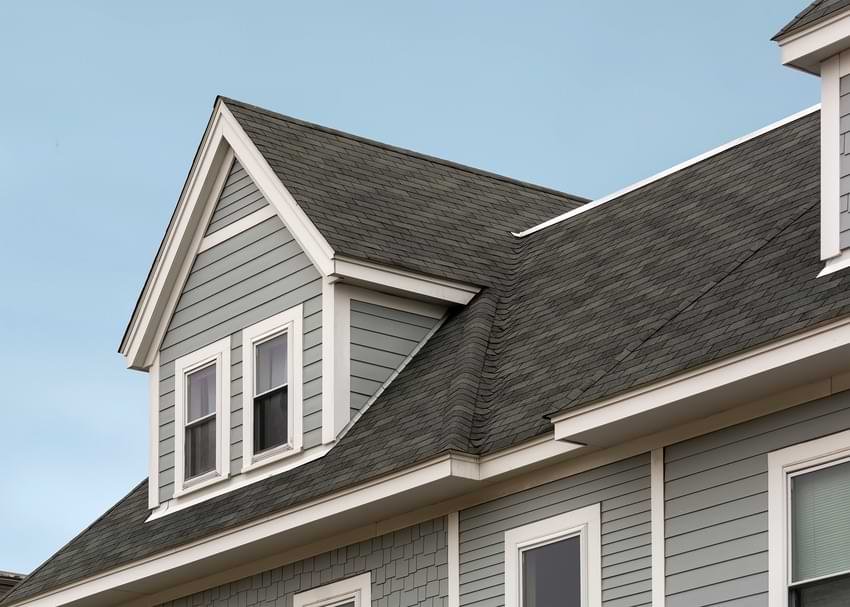
When it comes to home maintenance, it’s easy to focus on the projects that sit right at eye level. We tend to notice peeling paint on the front door, a cracked walkway, or overgrown landscaping immediately. However, the most critical protective barrier of your entire property is often the most neglected: your roof and siding.
Over time, nature takes a heavy toll on exterior surfaces. Wood, asphalt, and concrete are constantly bombarded by UV rays, heavy rain, changing temperatures, and organic growth. If left unmanaged, what starts as a slight discoloration can quickly escalate into severe structural decay.
Understanding the importance of professional care, specialized maintenance techniques, and long-term preservation strategies is essential for every homeowner who wants to protect their investment.
The Hidden Threats to Your Home’s Exterior
Many homeowners look up at their roofs or across their siding and assume that dark streaks or green patches are purely cosmetic flaws. In reality, these unsightly stains are living organisms that are actively breaking down your building materials.
1. Algae and Moss
The black streaks you often see on roofs are typically Gloeocapsa magma, a hardy blue-green algal species. This algae thrives in damp, shaded areas and feeds on the limestone fillers frequently used in modern roofing materials. As it spreads, it prevents the sun from drying out the surface, creating the perfect environment for moss to take root.
Moss acts like a sponge, holding moisture directly against the shingles or wood fibers. During freeze-and-thaw cycles, this trapped moisture expands, causing cracks, rot, and lifting.
2. Mold and Mildew
Mildew and mold thrive on siding and lower rooflines, particularly on the north-facing sides of a house that receive less direct sunlight. Beyond the aesthetic detriment, mold spores can infiltrate the underlying sheathing, compromising your home’s air quality and structural integrity.
3. Wood Rot and Splitting
For homes with natural wood elements, such as cedar shingles or shakes, the threat is even greater. Wood contains natural oils that protect it from the elements, but these oils dissipate over the years. Once the natural defenses are gone, moisture intrusion causes the wood to warp, cup, split, and eventually rot away completely.
Prevention vs. Replacement: A Financial Reality Check
The cost of completely replacing a roof or installing new siding can be staggering, often running into tens of thousands of dollars. Many structural replacements occur prematurely because surfaces were not properly maintained. Investing in regular upkeep is a fraction of the cost of a total replacement.
By systematically removing destructive organic growth and applying protective treatments, you can easily double the lifespan of your exterior surfaces. Regular maintenance doesn’t just save you money on materials; it also preserves your property’s curb appeal and market value, ensuring your home looks pristine and well-cared for if you ever decide to sell.
Why DIY Methods Can Cause More Harm Than Good?
When faced with a dirty roof or stained siding, a homeowner’s first instinct is often to rent a high-pressure washer or buy a heavy-duty chemical cleaner from a local big-box store. Unfortunately, inexperienced DIY attempts frequently result in permanent, costly damage.
Excessive Pressure: Blasting a roof or delicate siding with high-pressure water can strip protective granules from asphalt shingles, gouge deep ruts into natural wood, and force water beneath siding panels, leading to hidden mold growth inside the walls.
Incorrect Chemical Balancing: Using the wrong concentration of cleaning agents can bleach wood unevenly, corrode metal flashing, and kill surrounding plants, lawns, and landscaping.
Safety Hazards: Navigating ladders and slippery, wet roofs is incredibly dangerous without professional-grade safety harnesses, specialized footwear, and proper training.
Achieving a deep, safe clean requires a delicate balance of the right solutions, specialized low-pressure equipment, and technical expertise.
The Professional Approach: Restoring Your Home Safely
Professional exterior care relies on a methodology known as soft washing combined with precision restoration techniques. This process eliminates the root cause of the staining without subjecting your home to damaging high pressure.
1. Comprehensive Inspection
Before any cleaning begins, a thorough assessment must be conducted to identify compromised areas, checking for rotted wood, loose shingles, or failed seals that need to be addressed before applying treatments.
2. Targeted Eco-Friendly Treatments
Specialized, biodegradable solutions are applied to the surface. These treatments don’t just rinse away surface dirt; they penetrate deep into the material’s pores to kill algae, moss, and mold spores at a microscopic level, ensuring they won’t grow back immediately.
3. Low-Pressure Rinsing
Once the solutions have broken down the organic matter, a gentle, low-pressure rinse safely washes away the debris, revealing the clean, unmarred material underneath.
4. Preservation and Conditioning
For natural materials like cedar, the process doesn’t end with a clean surface. The wood must be treated with specialized protectants and conditioners to restore its natural pH balance, replenish lost oils, and shield it from future UV and moisture damage.
Take Action to Preserve Your Home Today
Your home is likely your largest financial asset. Letting nature slowly degrade its outer defenses compromises its beauty, structural soundness, and long-term value. If you notice dark stains, green moss, or weathered, brittle siding, the time to act is now, before minor wear turns into a mandatory replacement.
Transform your property and extend the lifespan of your exterior surfaces with trusted expertise. Explore comprehensive, specialized solutions for your home’s delicate exterior features by visiting this premium resource for roof cleaning and restoration, and give your property the expert care it deserves.